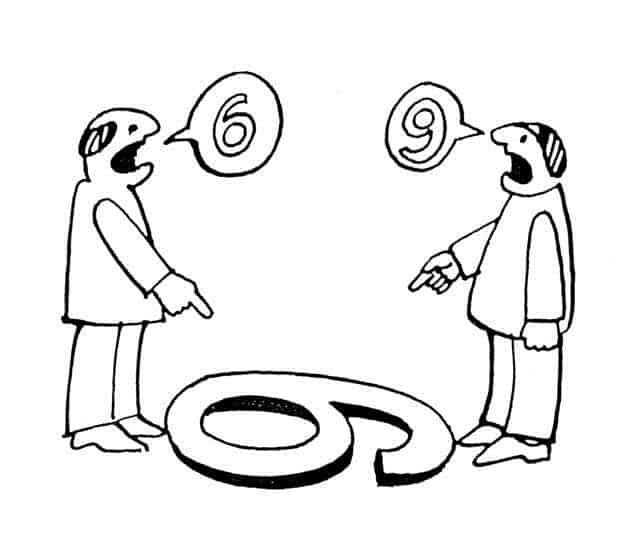
Most money problems are not caused by a lack of information.
They are caused by memory.
By the time we are adults, we already “know” the right answers. Save regularly. Invest early. Avoid bad debt. Insure risks. Live within means. Negotiate pay. Stay disciplined. Yet knowing these truths rarely translates into consistent behaviour. Something else keeps interfering.
That something is not ignorance.
It is inheritance.
Not financial inheritance, but psychological inheritance: the money scripts we absorb quietly while growing up. The way money was handled, fought over, hidden, flaunted, feared, or worshipped at home becomes the operating system we carry into adulthood. Long before we understand interest rates or SIPs, we learn what money means.
Money means safety.
Money means shame.
Money means control.
Money means love.
Money means danger.
These meanings do not disappear when we start earning. They simply put on adult clothes.
This essay explores ten common inherited money scripts. You may recognise one clearly. You may see pieces of yourself in several. That is normal. These scripts are not flaws. They are adaptations. They once kept you emotionally safe. The problem is that what protects a child can quietly sabotage an adult.
The goal is not to judge these scripts, or to fight them.
The goal is to see them clearly, and then build systems that are stronger than fear.
1. The Saver Raised by Spenders
Some people become savers because they are naturally cautious.
Others become savers because they grew up watching money disappear.
If spending at home felt emotional, impulsive, or unexplained, you learned an early lesson: money leaks unless someone is watching it closely. Bills arrived without warning. Big purchases appeared without discussion. Gifts replaced conversations. Shopping soothed stress. Nobody explained the plan, because there was no plan.
So you became the plan.
As an adult, this script looks admirable on the surface. You save early. You avoid debt. You pay bills on time. You track expenses. You rarely make impulsive purchases.
But the emotional experience underneath is not calm. It is tight.
You micro-monitor spending. Small joys trigger guilt. Eating out feels like leakage, not pleasure. Markets feel dangerous, because they resemble the unpredictability you grew up with. Cash feels safer than investing, even when you know better.
The hidden cost is not just lower long-term returns.
It is constant vigilance.
Peace becomes conditional: it exists only if everything is controlled.
The rewrite here is not “spend more”. That advice misses the point. The real shift is this:
You don’t need perfect control.
You need a structure that can handle real life.
When money is divided into clear buckets, fear loosens its grip. Safety is protected. The future is funded automatically. Living has permission built in. Discipline remains, but fear is no longer the fuel.
The saver does not need to become careless.
They need to stop living like one mistake will ruin everything.
2. The Scarcity Child Who Became a High Earner
Some people escape scarcity financially, but never emotionally.
You earn well now. Perhaps very well. But your nervous system still believes the floor could fall away at any moment. You keep more cash than you need. You say yes to every family request. You work harder than necessary. You feel guilty spending on yourself.
The underlying belief is simple and exhausting:
If I stop pushing, everything will collapse.
This script forms in households where money problems were urgent and relentless. Fees, rent, medical costs, interest, rising prices. There was no buffer. Safety came only from effort. Rest felt irresponsible.
As an adult, even when income rises, the body does not update. You keep running. You treat calm as suspicious. You distrust markets because they feel like gambling. You upgrade your lifestyle, then punish yourself with extra work to “earn” it.
The tragedy is that safety is being purchased in the most expensive way possible: through stress.
Cash hoarding delays compounding. Under-investing steals time. Turning every purchase into a moral negotiation drains mental energy.
The rewrite is subtle but powerful:
Safety is not a pile.
Safety is a plan.
When money is layered by time horizon, anxiety reduces. Emergency funds cover shocks. Near-term money absorbs known needs. Long-term investing works quietly in the background. Automation matters here, because it removes daily emotional voting.
The goal is not fearlessness.
It is preparedness.
Prepared people do not need to stay hyper-alert forever.
3. The Entrepreneur Raised in Risk-Averse Homes
In many families, stability is not a preference.
It is dignity.
Parents who have seen layoffs, debt, or business failure often treat a stable job as moral success. Risk is not framed as exploration. It is framed as recklessness. This is usually done out of love.
But the message lands deeply: a good job is the only respectable path.
As adults, this script creates a particular paralysis. You have ideas. You have skills. But you keep postponing. Another course. Another spreadsheet. Another “after appraisal season”.
You seek permission from people whose job was to fear risk.
Ironically, avoiding planned risk often leads to unplanned risk later. People quit suddenly without savings. They start businesses without runway. They blur personal and business money. They gamble instead of designing.
The rewrite is not rebellion. It is professionalism.
Entrepreneurship is not one leap. It is a series of controlled experiments.
When guardrails exist, risk becomes survivable. Runway numbers replace vague fear. Insurance replaces catastrophic thinking. Separate accounts replace confusion. Pre-decided stop rules replace denial.
The shift is psychological: starting no longer feels like breaking a family rule.
It feels like executing a plan.
You do not have to reject your upbringing.
You can honour safety and still build something of your own.
4. The Family Fixer Who Can’t Say No
In many Indian families, the highest earner becomes the quiet solution.
The phone does not ring for conversation. It rings for help. A loan. A wedding expense. An EMI. An emergency. You step in because you can. And because saying no feels like betrayal.
The script is noble on the surface:
Good children sacrifice first.
Often, this role was assigned early. You were praised for being “mature”. You helped calm financial stress. Love and responsibility blurred together.
As an adult, generosity becomes automatic. You rescue. You refinance. You co-sign. You delay your own goals, but you don’t call it delay. You call it duty.
The cost is not just financial.
It is emotional.
You feel trapped, then guilty for feeling trapped.
The truth is uncomfortable but necessary: generosity without boundaries is not generosity. It is leakage. And leakage cannot be fixed by earning more.
Structure saves relationships.
When support is planned, it stops breeding resentment. A fixed support budget turns emotional decisions into practical ones. Clear rules around loans prevent future conflict. Non-cash help often empowers more than money.
Boundaries do not mean abandonment.
They mean sustainability.
5. The Avoider Who Pretends Money Will Sort Itself Out
Not everyone controls money by over-monitoring.
Some control it by not looking at all.
If money conversations at home meant fights, blame, or shame, avoidance becomes a coping strategy. You learn that money brings conflict. Ignoring it brings peace.
As an adult, avoidance shows up quietly. No emergency fund. Incomplete insurance. Random investments. Credit cards paid late “once in a while”. You may even earn well, but feel vaguely unsafe because there is no map.
Avoidance feels calm in the moment.
It is expensive over time.
Small issues grow. Fees accumulate. Missed renewals hurt. And the biggest loss is time. Compounding does not wait for emotional readiness.
The rewrite is not financial mastery.
It is tolerance.
You don’t need to optimise. You need to see.
A small, predictable routine works better than grand plans. One weekly money slot. Same time. Same checks. No judgement. Visibility reduces fear faster than control ever will.
You do not beat avoidance with willpower.
You beat it with a routine your nervous system can tolerate.
6. The Status Spender Who Calls It “Rewarding Myself”
Status spending is rarely about carelessness.
It is about safety.
In cultures where family, peers, and relatives constantly observe milestones, visible success becomes protection. Nice things signal that you are doing well, that you are not falling behind.
The inherited belief is quiet but powerful:
If I look successful, I am safe and respected.
As an adult, this becomes a pattern of upgrades. Gadgets. Cars. Dining. Branded choices. The danger is not spending itself. It is fixed spending. EMIs quietly rent your future freedom.
The treadmill never stops because comparison never stops.
The rewrite is not austerity.
It is sequence.
When safety and future are funded first, lifestyle choices become lighter. Planned upgrades feel joyful. Impulsive ones often feel expensive later.
Real success is not loud.
It feels spacious.
7. The Perfectionist Who Never Starts Investing
Perfectionism disguises itself as intelligence.
You read. You compare. You wait for the right fund, the right time, the right conditions. You want to avoid mistakes. But with investing, waiting is also a decision. And it has a cost.
The inherited belief is familiar:
If I can’t do it perfectly, I shouldn’t do it at all.
Often, this comes from childhoods where mistakes were punished or mocked. Being wrong felt unsafe. So certainty becomes the goal.
Markets do not reward certainty.
They reward time.
The rewrite is merciful:
Start simple. Improve later.
A basic investment done early beats a perfect plan done late. Giving yourself a review date satisfies the need for control without sacrificing participation.
Investing is not an exam.
It is a habit.
8. The Loyal Employee Who Under-Negotiates
Some people budget every rupee but never negotiate the biggest line item: income.
They work hard. They stay loyal. They hope effort will be noticed. In cultures that value stability and gratitude, asking for more feels greedy or risky.
The belief runs deep:
Asking for more is dangerous.
As an adult, this creates a painful mismatch. You are disciplined, but structurally underpaid. Goals feel distant despite doing everything “right”.
The hidden cost compounds quietly. Income gaps grow over decades. No amount of expense control fully fixes it.
The rewrite is reframing loyalty.
You can be loyal to your work without being loyal to underpayment. Income is an asset. It deserves active management.
Negotiation is not confrontation.
It is alignment.
9. The Debt-Phobic Who Misses Useful Leverage
Many people inherit debt fear honestly.
They saw loans used for emergencies, consumption, or survival. They watched interest snowball. Shame followed debt closely. So the rule becomes rigid:
All debt is bad.
As an adult, this can mean excessive cash hoarding, delayed assets, or missed opportunities that could have improved long-term stability.
The issue is not debt.
It is unexamined fear.
The rewrite replaces morality with math.
Debt is a tool. Bad debt is dangerous. Good debt is planned, affordable, and productive. The difference matters.
Debt is not a character flaw.
It is a contract.
10. The DIY Investor Who Over-Trades for Control
Some investors do not seek returns.
They seek control.
Frequent action feels productive. News feels urgent. Trades feel like participation. Often, this behaviour traces back to environments where alertness was necessary to stay safe.
The belief is restless:
If I don’t act, I’ll miss out.
The cost is friction: taxes, timing errors, stress, and distraction from the only thing that reliably works: staying invested.
The rewrite embraces boredom.
A core-and-satellite approach protects the future while allowing curiosity. Rules limit damage. Distance from noise restores sleep.
You don’t need to win every day.
You need to stay invested long enough.
Seeing the Pattern
Across all ten scripts, one truth repeats:
Most financial behaviour is emotional before it is logical.
These scripts are not weaknesses. They are adaptations to earlier environments. But environments change. Income changes. Options expand. The scripts often do not update automatically.
Systems do the updating for us.
Buckets replace fear.
Automation replaces anxiety.
Rules replace negotiation.
Structure replaces guilt.
The goal of good financial planning is not optimisation.
It is emotional neutrality.
When money stops being a daily emotional referendum, life gets lighter. Decisions get cleaner. Progress becomes boring in the best possible way.
If you recognised yourself in this essay, you are not broken.
You are patterned.
And patterns, once seen, can be redesigned.
That is not a financial upgrade.
It is a psychological one.
And it lasts longer.