The argument rests on an unfashionable truth: fortunes are rarely made by inventing the next dazzling app. More often they are built on businesses that meet ordinary, repeat human needs. Laundromats exemplify this. They function less like retail and more like self-service real estate—customers pay for access to specialised infrastructure rather than for a product that can fade from fashion.
Practical lessons for the time-poor investor
Laundry is recession-proof in the most literal sense. Clean clothes remain a necessity when markets slump, unlike restaurant meals or streaming subscriptions that can be cancelled overnight.
The model is unusually labour-light. Customers perform most of the work, while the real employees are the machines—assets that never demand overtime, holidays, or higher wages.
There is also a cultural moat. These businesses are ignored by the “laptop class” because they involve grease, lint, and coin hoppers. That squeamishness limits competition and creates mispriced opportunities.
Returns are anchored in tangible assets. Buyers acquire not only cash flow but also equipment with long useful lives, and often a valuable lease—or the property itself.
From theory to execution
Opportunity usually sits in plain sight. The best targets are ageing mom-and-pop stores that still rely on quarters and handwritten logs. A simple upgrade to digital payments or energy-efficient machines can lift revenue immediately.
Due diligence is straightforward. Check the utility-to-revenue ratio: water and electricity should run near 20–25 percent of gross takings. A higher figure signals tired equipment or creative bookkeeping. Equally important is control of the real estate. The greatest threat to a thriving laundromat is not competition but a landlord who notices the queues and doubles the rent. Where possible, buy the building or lock in long leases, then use the weekly cash flow to retire acquisition debt and convert the business into a durable income stream.
The essence
Investors often confuse complexity with profitability. Yet some of the steadiest returns come from enterprises that are neither glamorous nor clever. Wealth, in other words, is being washed and dried on high streets everywhere.
Stop chasing unicorns in the clouds when there is a cash cow humming on the corner.
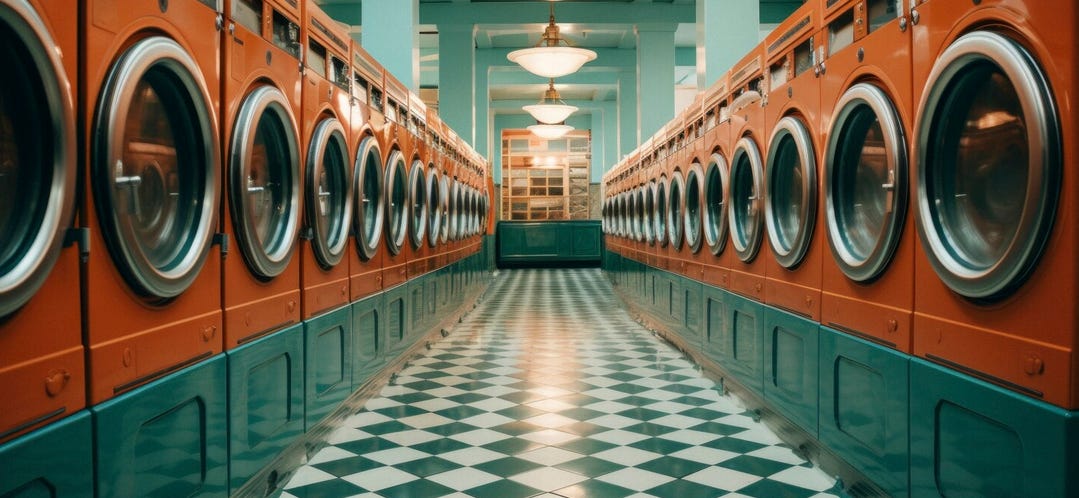
Source: freepik
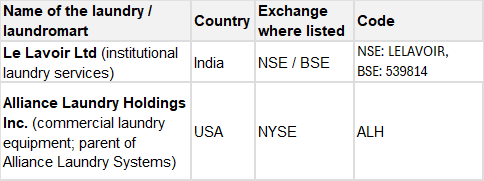
Listed Laundromarts